





Description
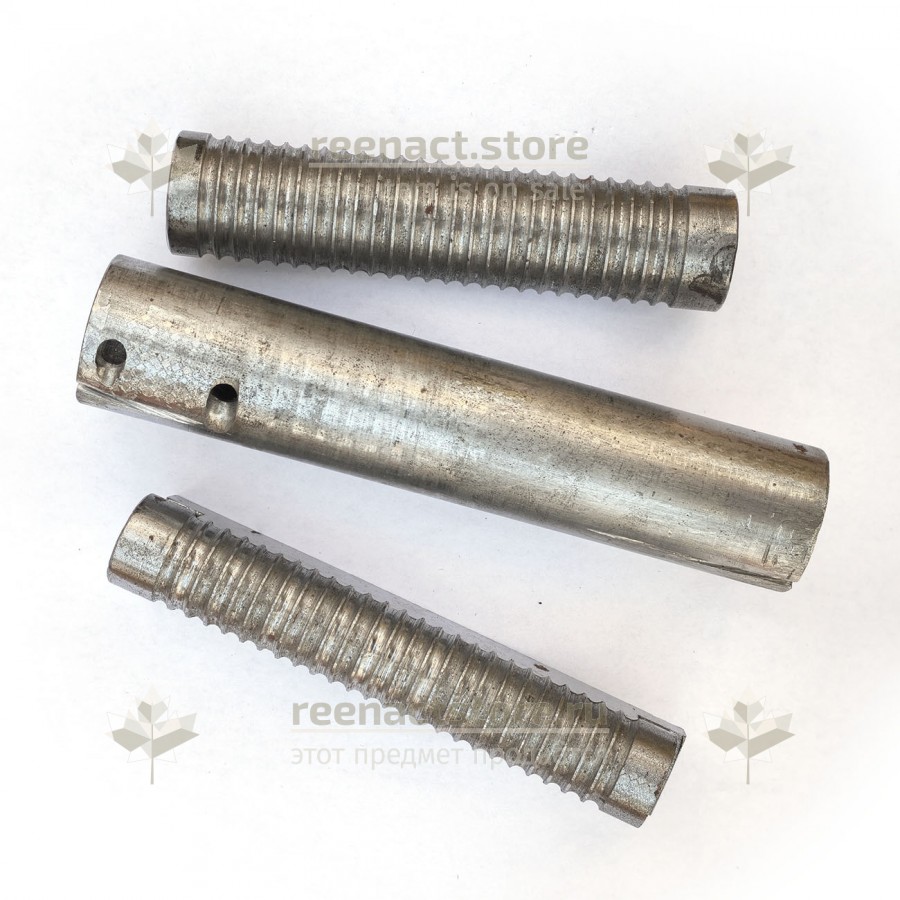
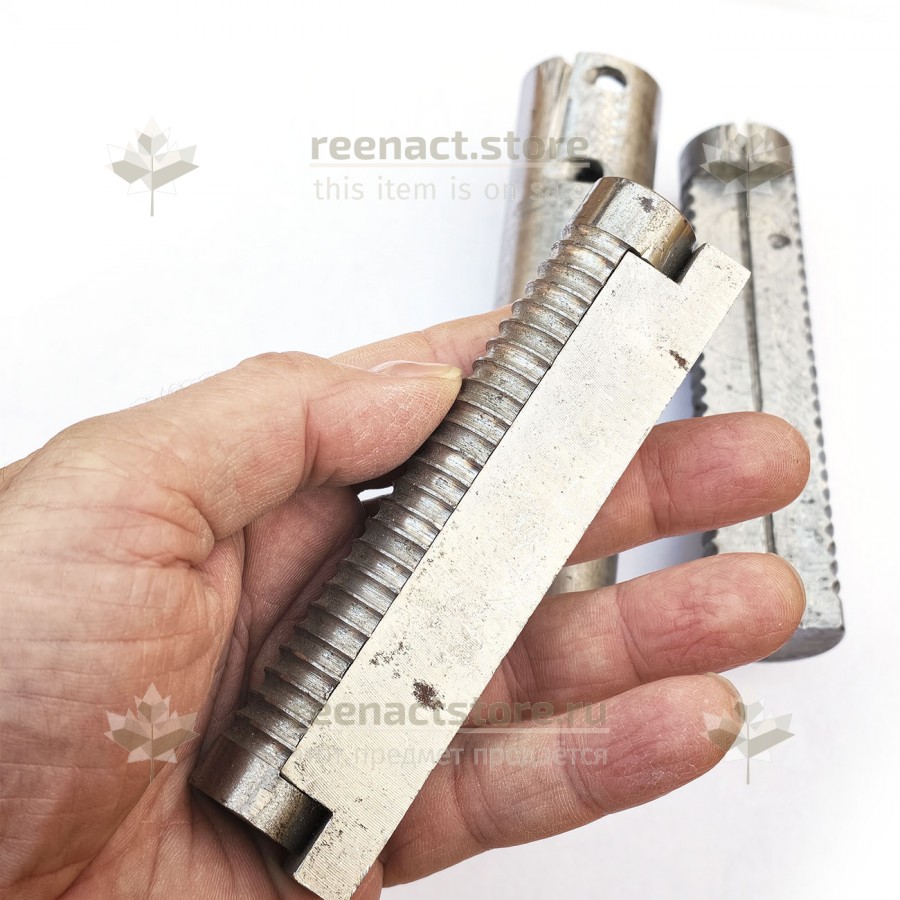
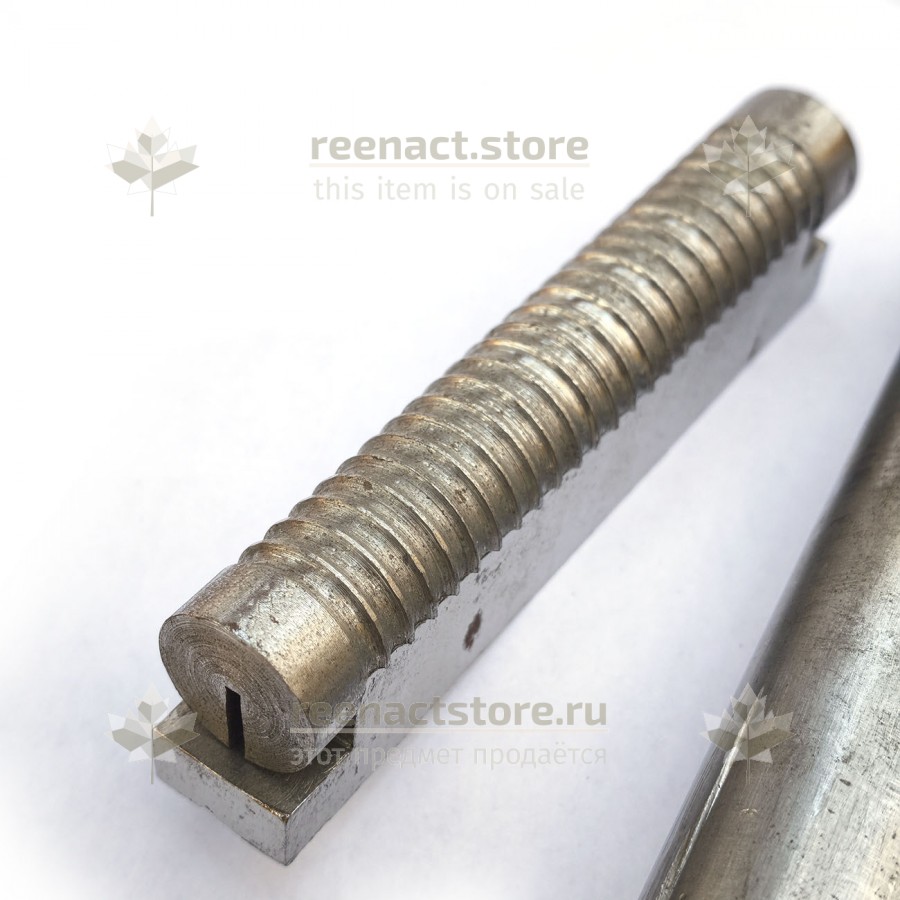
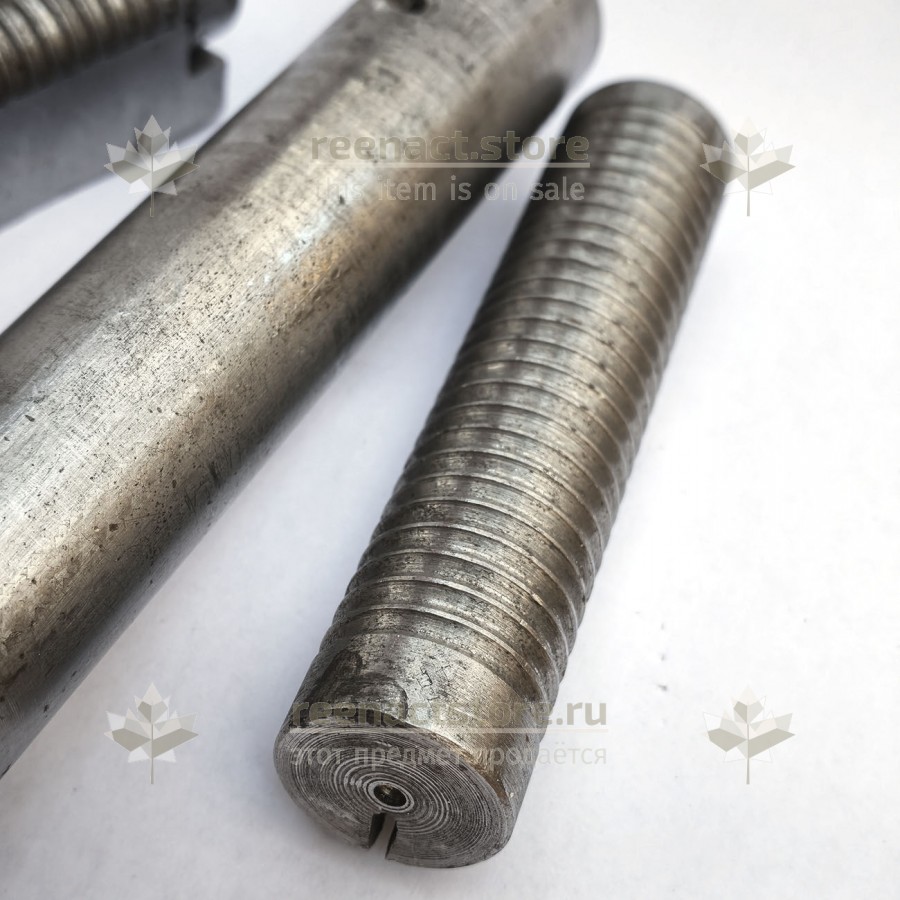
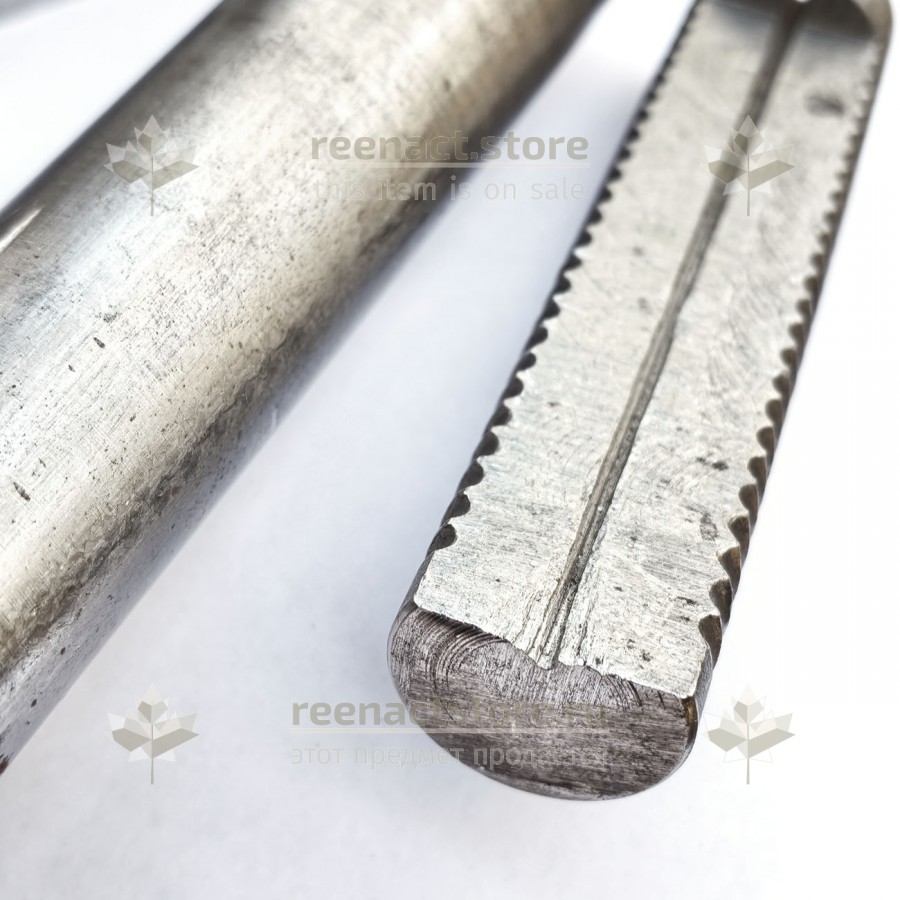
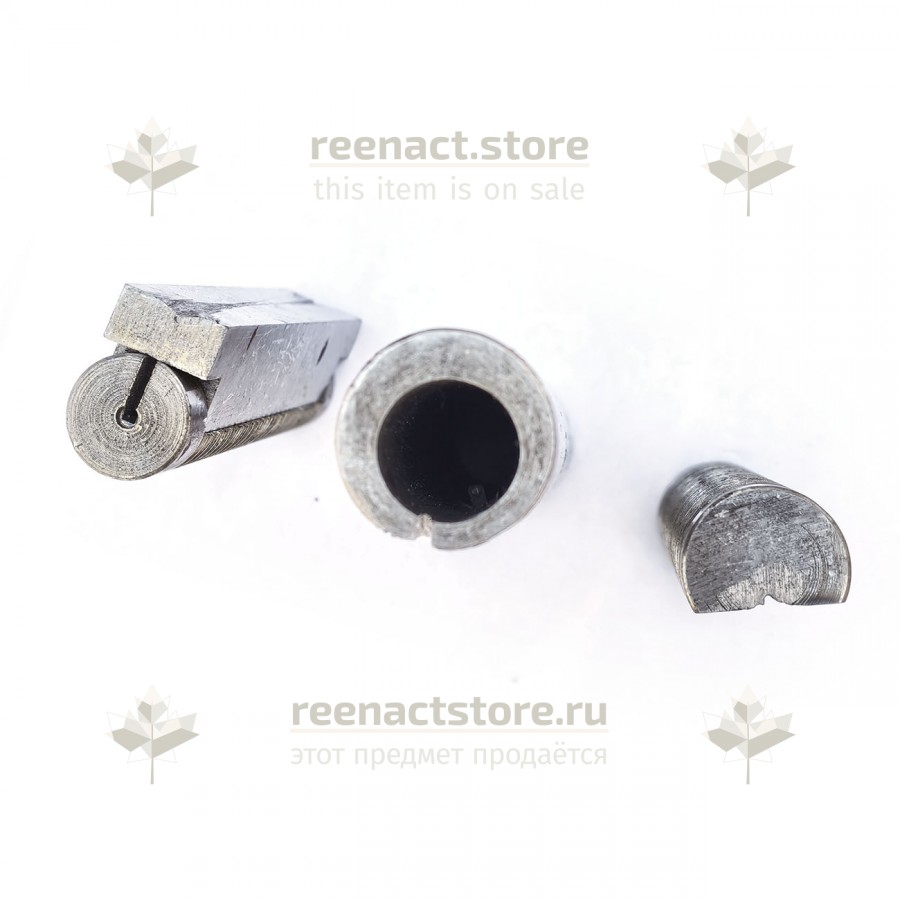
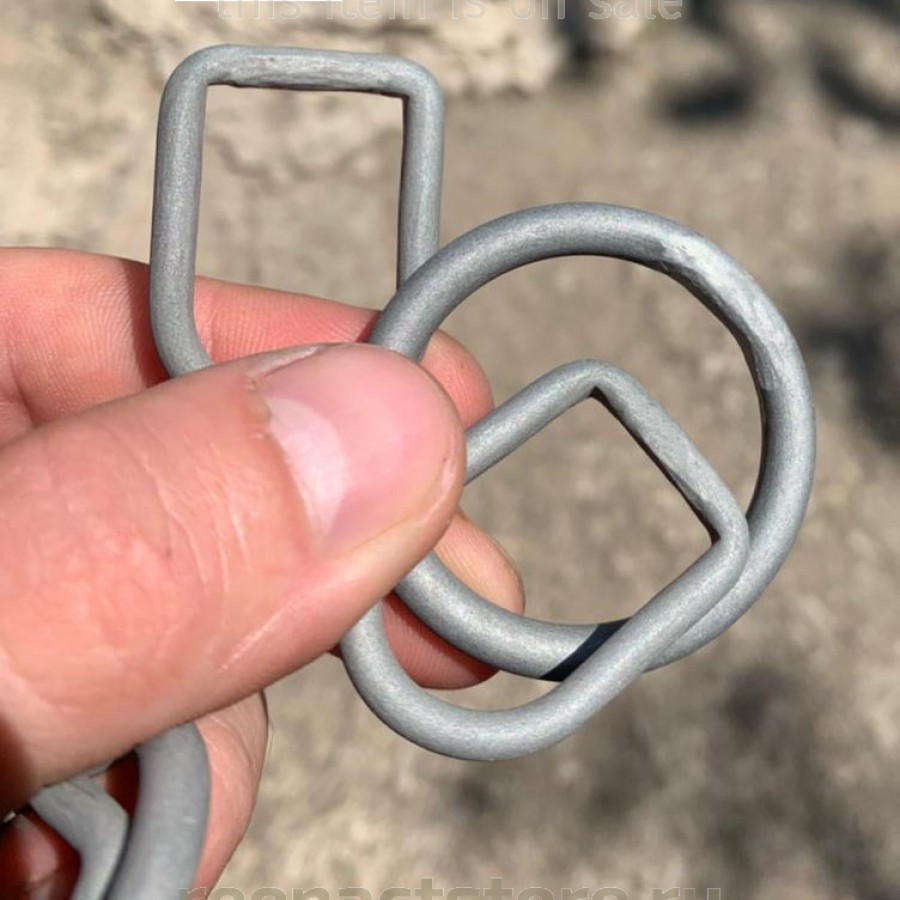
A set of steel mandrels for making wire rings for German Y-straps. The set includes three mandrels: one for the standard D-ring, one for the elongated D-ring and one for the rear O-ring.
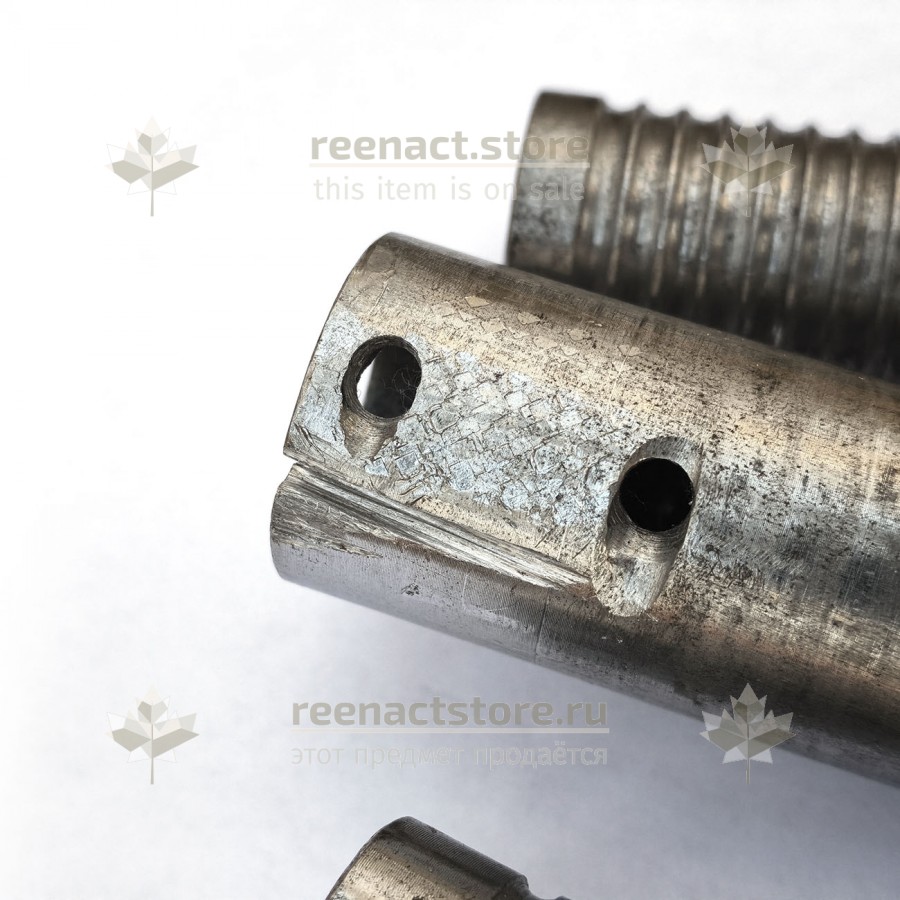
Secure the mandrel to a workbench, insert the end of the wire into its hole and wind the wire around the mandrel, tapping the corners into shape. Cut the coil into individual blanks, then weld the ends to make finished rings. The set allows blanks for approximately 20 sets of fittings to be made in one batch.
Price for one set of three mandrels. The photographs of finished rings in the gallery show the fittings that can be made with the set.
Historical reference.
Until 1940, the Germans used aluminum parts for equipment. Aluminum parts were usually not painted. The photo shows a belt with aluminum fittings, made by A. DAHL from the city of W-BARMEN in 1939. Photo from the site mp44.eu.
The rings were either bent from wire and welded, or cast. There have never been rings with a break (that is, bent, but with an unclosed seam).


Since 1940, in order to save cost, the Germans began to use steel for accessories for equipment. Steel fittings almost completely repeated aluminum in design. The steel fittings were almost always painted gray. Apparently, the Germans tried to imitate aluminum for design reasons, because for practical reasons, this color does not make sense.
Steel rings were usually bent from a wire with a welded or soldered joint. Again, there were also no open-seam rings in the steel fittings, which are quite common in cheap tourist equipment nowadays.
Below is a shoulder belt made in 1942 (RUDOLF CONTENACHE THEODOR SEIBOD OFFENBACH A.M. 1942). Photo from the site mp44.eu.


