Description
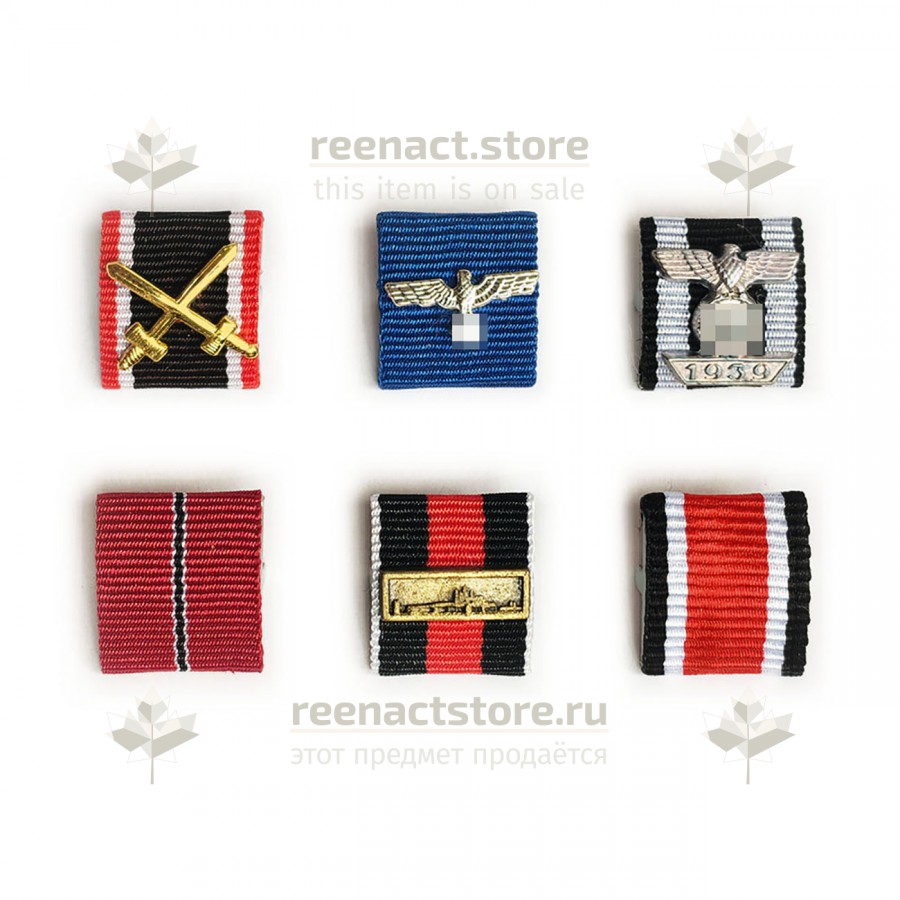
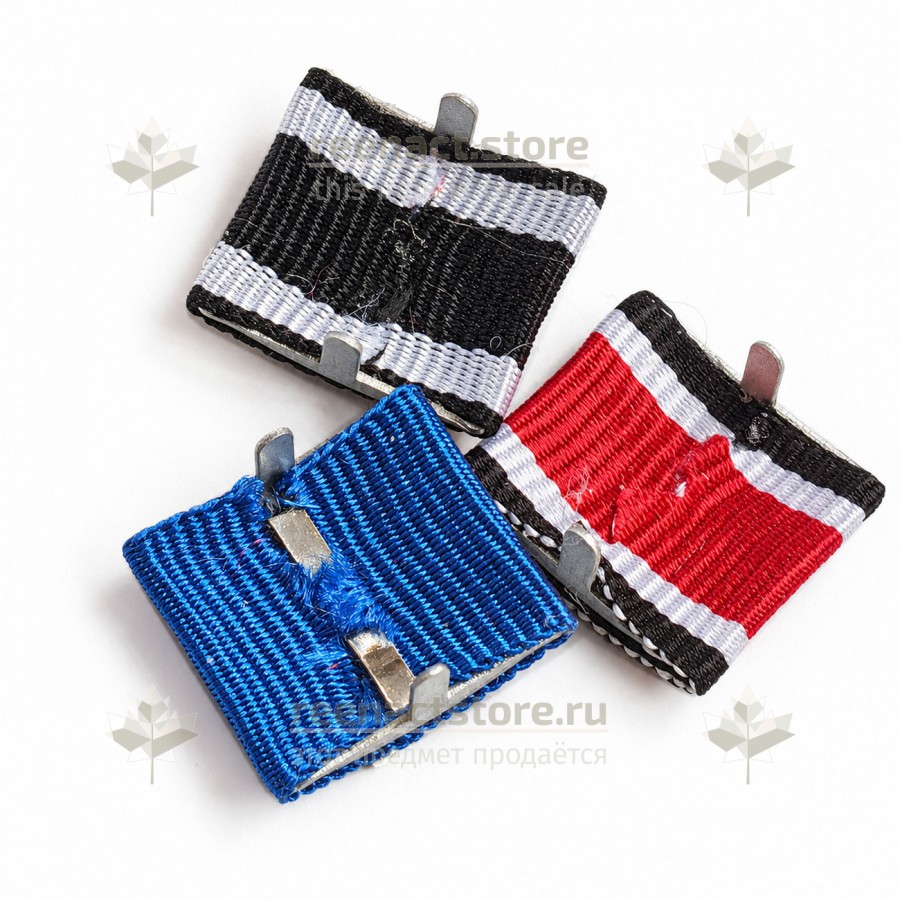
Individual award ribbon inserts for assembling a Wehrmacht ribbon bar. Reproductions for historical reenactment. Each ribbon is fitted to its own small metal backing; decorated versions include the corresponding eagle, crossed swords or plaque.
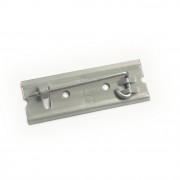
The price is for one ribbon insert of the selected award, ready to fit to a mounting plate. A separate mounting plate with a pin is required to attach the ribbons to a tunic. It is not included in the price; for 3-place and 5-place mounting plates, see Related Products below.
To see additional photos please follow the link.
Which awards are represented?
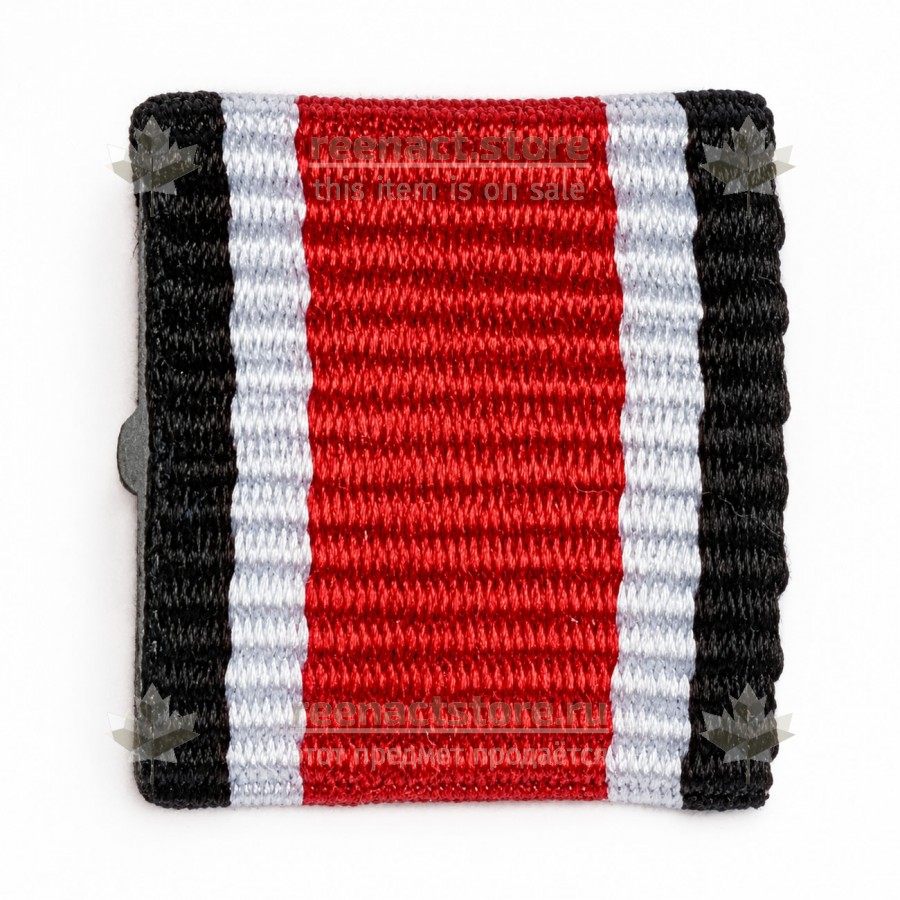
- Iron Cross 2nd Class, 1939 (Eisernes Kreuz 2. Klasse 1939): red ribbon with white and black edge stripes.
- Iron Cross 2nd Class, 1914, with the 1939 repeat-award clasp (Wiederholungsspange 1939): black-and-white ribbon with a silver-coloured eagle and the date 1939.
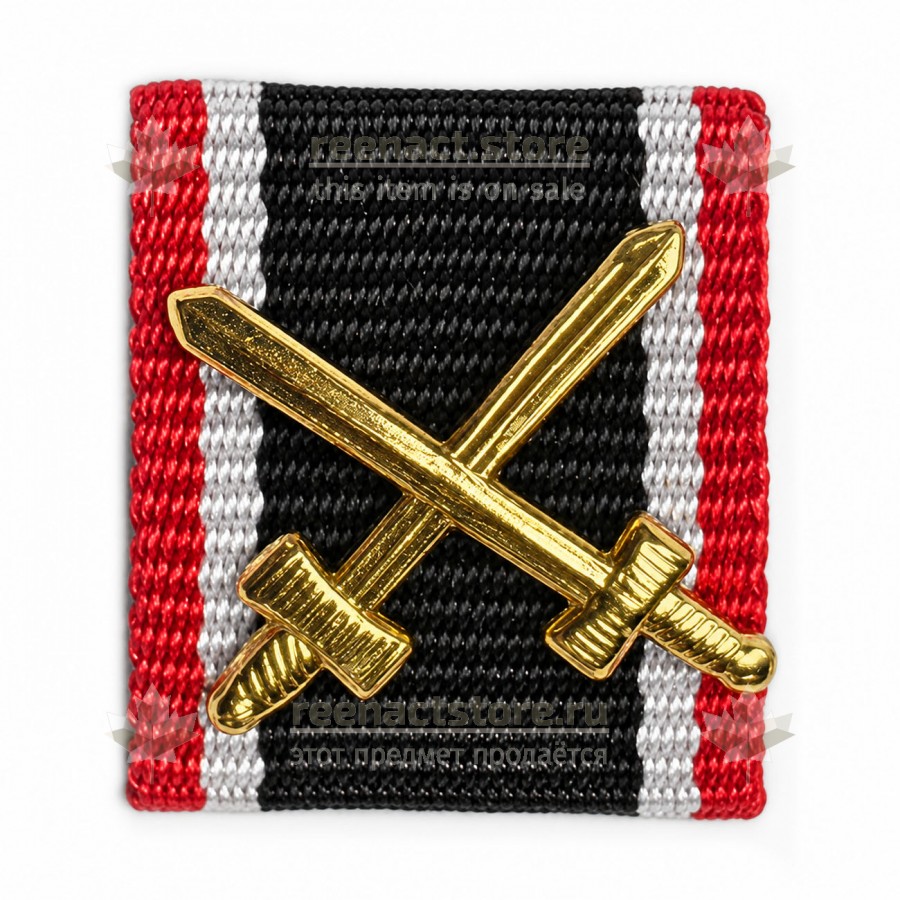
- War Merit Cross 2nd Class with Swords (Kriegsverdienstkreuz 2. Klasse mit Schwertern): black ribbon with white and red edges and a crossed-swords device.
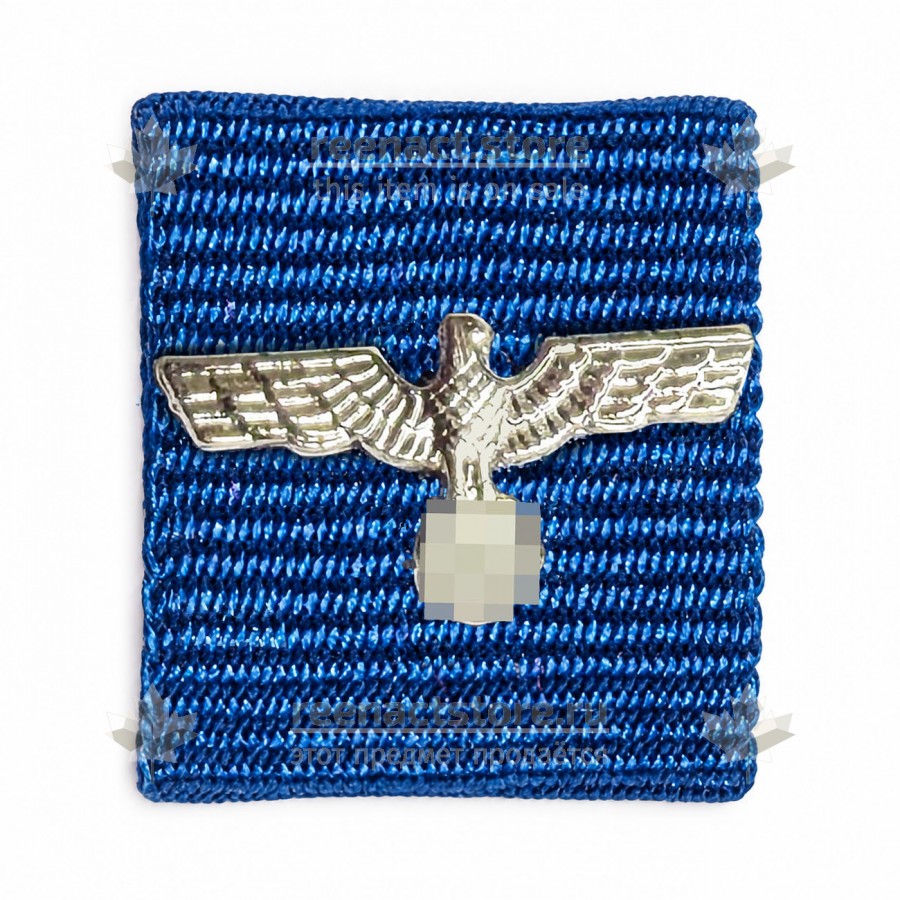
- Wehrmacht Long Service Award (Wehrmacht-Dienstauszeichnung): blue ribbon with a silver-coloured Army and Kriegsmarine eagle. Silver devices were used for the 4- and 18-year awards; the correct combination of long-service awards should be considered when assembling a bar.
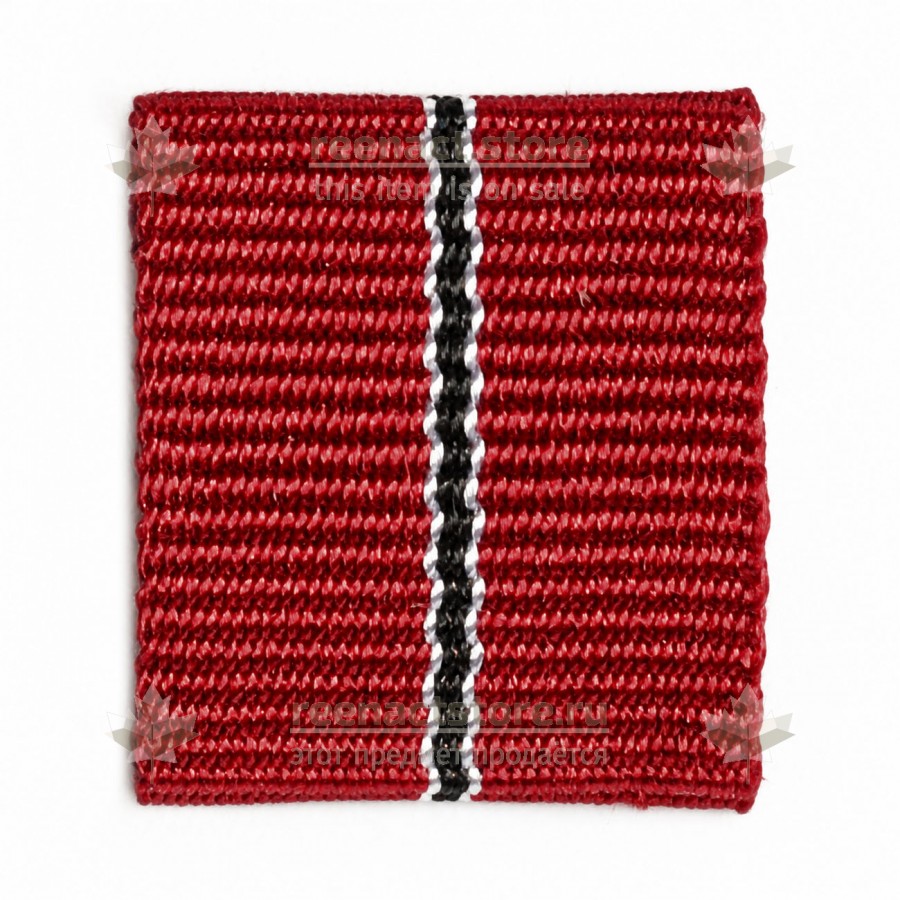
- Eastern Front Medal, Winter Campaign 1941/42 (Ostmedaille): dark red ribbon with a narrow central black stripe between two white stripes.
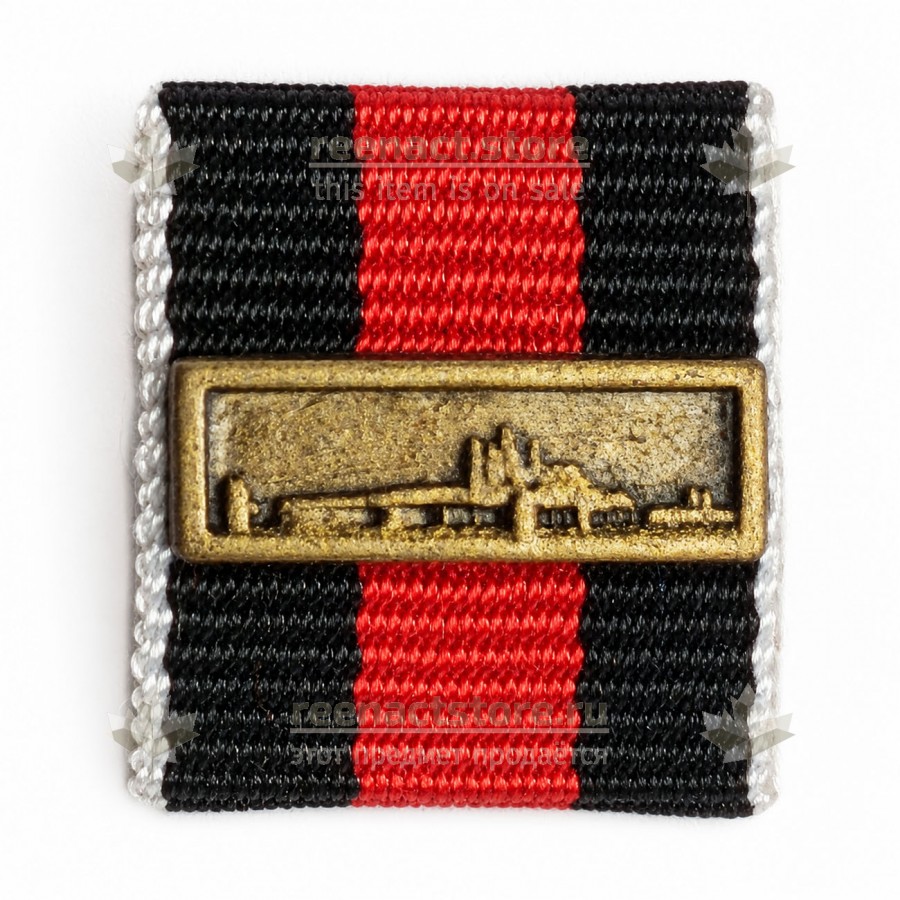
- 1 October 1938 Commemorative Medal (Sudetenland Medal) with the Prague Castle clasp (Prager Burg): black-red-black ribbon with narrow white edges and a rectangular device.
Historical reference.
In the Wehrmacht, the compact bar of award ribbons was known as a Feldspange or Bandspange. It was worn on the left breast of the tunic above the pocket, generally in a horizontal row. Ribbon bars replaced suspended full-size decorations for everyday and service wear and also appeared on field uniforms. For parades and other ceremonial occasions, full-size medals on a medal bar could be worn, depending on the prescribed order of dress.
The ribbons and devices identified the wearer’s actual awards: crossed swords indicated the corresponding War Merit Cross variant, while the 1939 clasp on a 1914 Iron Cross ribbon indicated a repeat award. A bar therefore represented a particular serviceman’s awards rather than an arbitrary collection of decorative ribbons.
Historical information from: wehrmacht-awards.com, Wikipedia, awm.gov.au.